
My contribution to the literature on
democratization of Eastern Europe
and my theory of how to make
democracy work
I. Chapter 1 Making post-Communist
Democracies Work
A. starting
point: Putnam - civil society vital
but history
against E Europe here
B. better
theory
state structuralism
Evan's "embedded
autonomy"
see state and
civil society as working together (or not)
C. how can
we make it more likely that state and civil society will cooperate
through raising
institutional capital
D. stocks of
institutional capital and regime type (15)
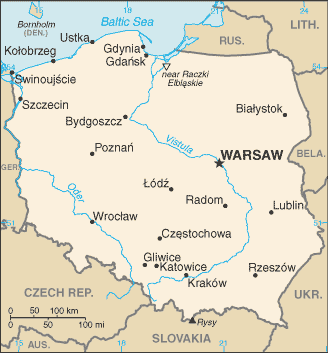
E. selection
of cases
the
virtues of
sub-national comparisons
Krakow
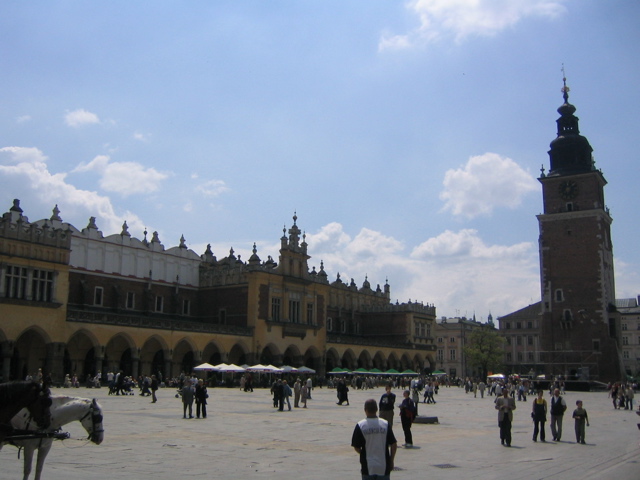
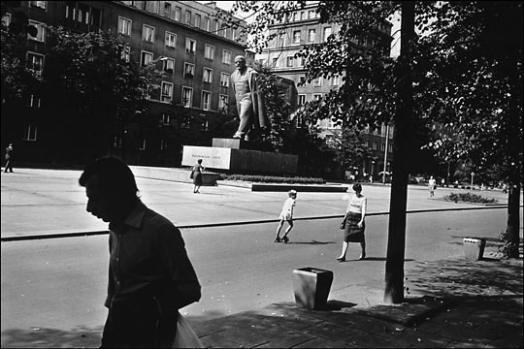 Photo: Dennis Chamberlain
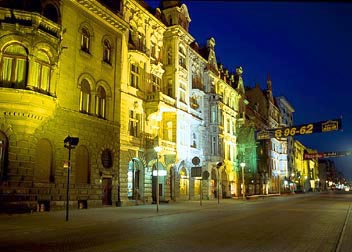
Lodz
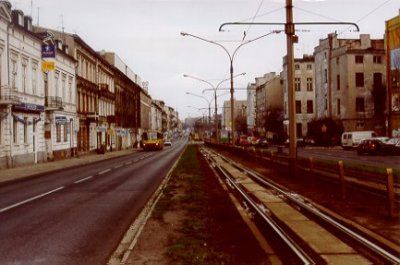
F. funding
the research
II. Chapter 2 Institutional
Capital
A.
elaboration of definition, measurement
"operationalization"
B. state
contributions to institutional capital: discursiveness,
collaboration, cohesion
C. civil
society contributions to institutional capital: third sector
heterogeneity, repertorial range
D. methods
"field work"
living there
archival
survey
interview
III. Chapter 3 The State and
Instiutional Capital
A. presents my
measures of each city's state measures of IC
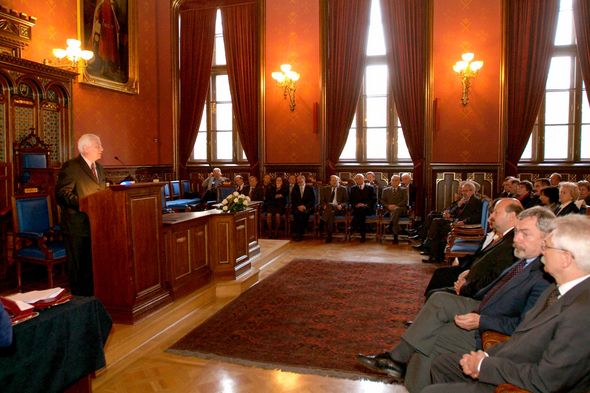
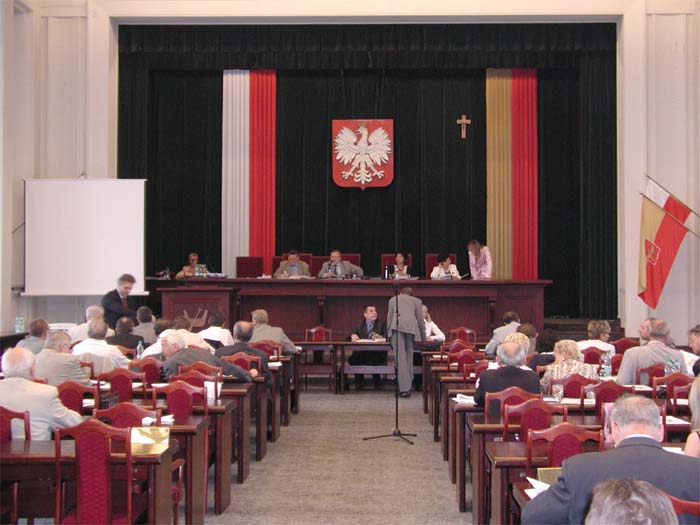
B. discursiveness
collaboration
Krakow office for
cooperation with NGOs
Lodz
office for cooperation with NGOs
cohesion
stablity
political ideology
bureaucratic
autonomy
C. Why these measures?
D. How is each measured?
IV. Chapter 4 Raising
Institutional Capital in Civil Society
A. presents
my
measures of each city's civil society measures of IC
B. third
sector heterogeneity
repertorial range
C. Why these measures?
D. How is measured?
V. Chapter 5 New Stocks of
Institutional Capital and Prospects for Performance
describes each
city's stock of IC overall and how it is likely to affect
government performance
speculates about
what kind of performance will have in the
three issue-specific case
studies
VI. Chapter 6 Putting
Institutional Capital to Work
case studies of
economic development planning and re-siting of waste disposal facilities
VII. Chapter 7
Governing Women:
Domestic Violence and the Politics of Institutionalizing Women's Social
Rights
description of social rights, domestic violence and
family law in contemporary Poland
description of how each city has responded to
domestic violence
using its stock of institutional capital
VIII. Chapter 8 Historical Source of Institutional Capital
economic development, class composition, civic
traditions
VIX. Opposition Movement Influences on Institutional Capital
Solidarity, important milieus of Solidarity
activity in each city
how these developed specific repertoires of
contention, leadership bases,
and political cultures that influence the
post-Communist period
X. Institutional Capital and Post-Communist State Performance
summary of my findings
how they improve upon
Putnam
improve our understanding of how civic traditions
affect
government performance
and change
over time